Learn the most common reasons your Toyota check engine light comes on, what it means, and when to schedule professional diagnostics at Toole’s Garage in California.
Taking a little time in December to review your vehicle’s maintenance can help you start the new year strong, avoid expensive repairs, and make sure you’re not leaving money—or miles—on the table.
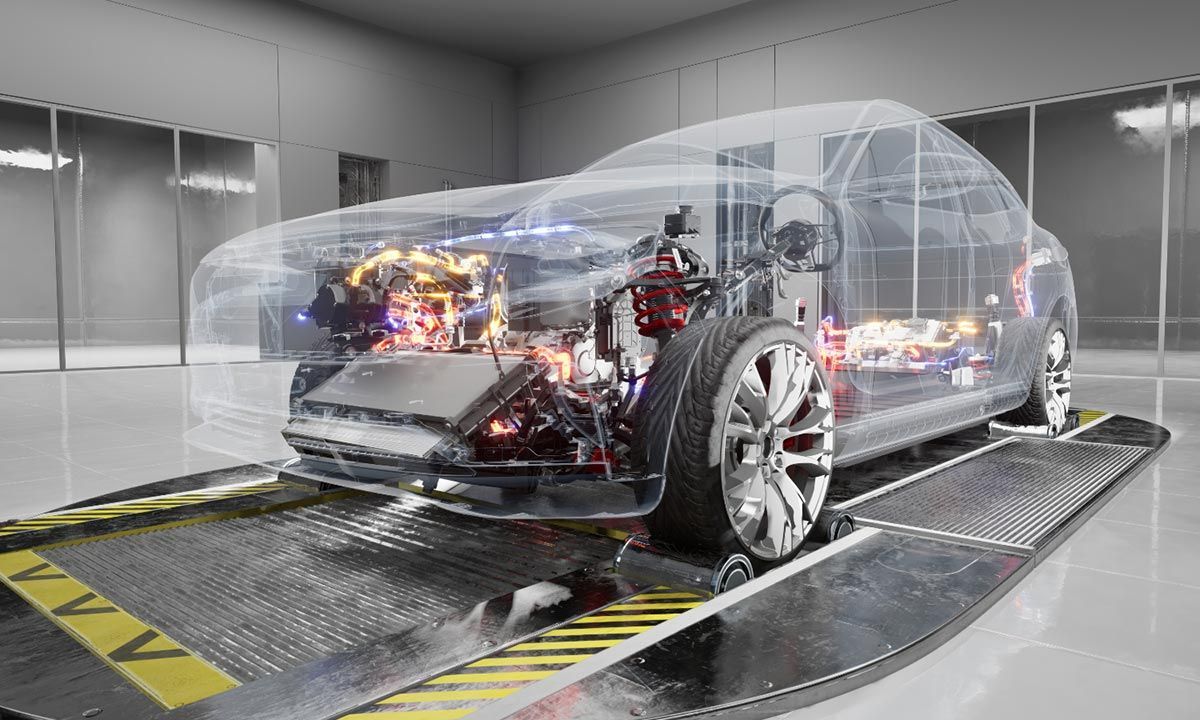
Today’s vehicles are more advanced than ever. From hybrid powertrains to full electric drivetrains and complex onboard computers—modern cars are closer to smart machines than simple transportation. At Toole’s Garage in San Carlos, we embrace that evolution. Our technicians are not just keeping pace with the technology curve—they’re trained, certified, and fully equipped to handle the latest innovations in automotive systems. Here’s how we’re helping Bay Area drivers stay confidently on the road as vehicles continue to get smarter. The New Era of Automotive Technology Over the last decade, we’ve seen more change in the auto industry than in the fifty years before it. Vehicles rolling into our San Carlos shop today are packed with technology like: Hybrid and Electric Drivetrains that rely on high-voltage battery systems and complex power management. Computerized Engine and Transmission Controls that optimize performance and efficiency. Over-the-Air Software Updates that can change how your vehicle behaves—without you ever visiting the dealership. These advancements make driving safer, cleaner, and more efficient—but they also require a new level of expertise when it comes to maintenance and repair. Hybrid and EV Maintenance: It’s Not Just About the Battery Electric and hybrid vehicles still require regular maintenance—just a different kind. Brake systems, cooling circuits, software updates, and even cabin filters play vital roles in keeping your EV or hybrid running at its best. At Toole’s Garage – San Carlos, our technicians are trained in: High-voltage safety and diagnostics Battery health assessments and cooling system maintenance Regenerative braking service Manufacturer-specific EV systems We use industry-approved tools and follow OEM-level service procedures to ensure every EV and hybrid we touch gets the care it deserves—no shortcuts, no guesswork. Our Training Never Stops Technology moves fast—and so do we. Every Toole’s Garage technician participates in ongoing education to stay current with evolving vehicle systems. From advanced electrical diagnostics to manufacturer-specific software, we invest heavily in training and equipment so our team remains ahead of the curve. We’re also part of professional networks and training groups that connect us with the latest industry updates, ensuring our San Carlos team can handle whatever rolls into the shop—gas, hybrid, electric, diesel, or hydrogen and CNG. Your Dealership Alternative for the Next Generation of Cars Dealerships aren’t the only ones that can service advanced vehicles. At Toole’s Garage, we combine dealership-level technology with personalized, community-focused care. Whether you drive a Tesla, Toyota hybrid, or the latest European model, you’ll receive transparent communication, expert service, and genuine respect for your time and investment. Modern cars demand modern care—and Toole’s Garage – San Carlos is ready. From EV and hybrid maintenance to ADAS calibration and cutting-edge diagnostics, we’re proud to lead the way in the next generation of automotive service. If you drive a high-tech vehicle, trust the team that’s trained for the future. Schedule your next appointment at Toole’s Garage – San Carlos, and experience what advanced auto care feels like—today and tomorrow.
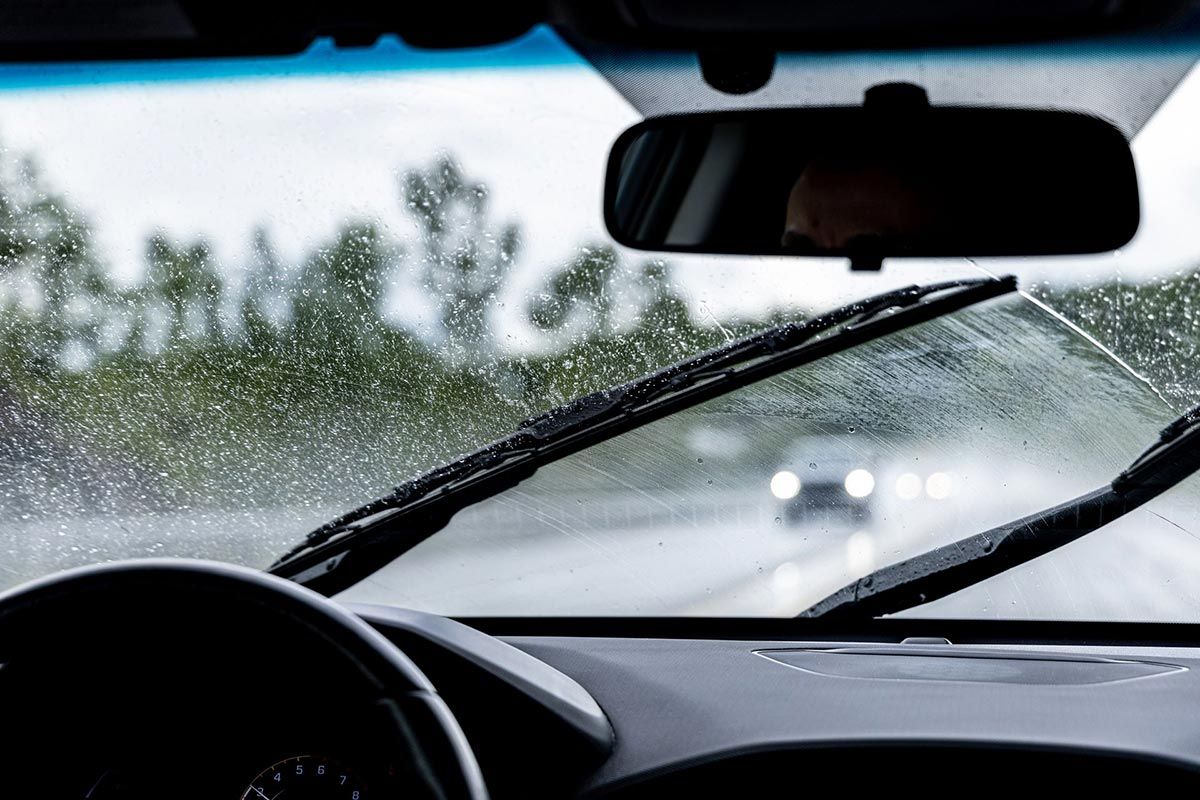
Long dry spells change the road. Oil and dust build up on the pavement, tires dry out a bit, wiper blades harden, and drains collect debris. When the first big storm hits, that oily film lifts, traction drops, and visibility becomes the real challenge. A quick pre-rain plan keeps your car sure-footed, your glass clear, and your trip less stressful when California finally gets the downpour it has been missing. Tires Tires lose wet-road bite long before they look bald. Tread depth below about 4/32 inch struggles to move water out from under the contact patch, which raises hydroplaning risk at surprisingly low speeds. Check all four tires with a tread gauge and look for uneven wear that hints at alignment issues. Set the pressures to the door label number when the tires are cold. If your pressure monitor has been warning on cool mornings, you may already be a few psi under the target, which hurts wet traction and braking. Brakes Water reduces friction until pads and rotors wipe themselves dry. If the system already has issues, the first mile in a storm will expose them. Pulsation from rotor thickness variation, dragging calipers, or thin pads all lengthen wet stopping distances. A quick inspection for pad life, clean and lubricated slide pins, and firm fluid condition pays off the first time traffic stacks up on a shiny freeway. If you tow or drive in the hills, consider rotors and pads matched to higher heat so the pedal feel stays consistent in the wet. Visibility Hardened wiper blades smear instead of squeegee . If the rubber leaves fine lines or chatters in a drizzle, replace the blades now. Top the washer reservoir with low-temperature fluid so it does not dilute the first time you spray. Many drivers forget the cabin air filter’s role in defogging; a clogged filter slows airflow to the windshield and makes it hard to clear humid glass. Turn on the A/C with heat to dehumidify the air when the cabin fogs, then switch out of recirculate once the glass is clear so moisture has a path out. Electrical and Battery Readiness Wet weather exposes weak connections. A battery that is marginal after a hot summer can dip below the voltage that modern modules expect, which leads to flickering screens and random warnings. Clean the terminals, confirm the hold-down is tight, and have the battery tested for its state of health, not just its charge. Inspect exterior lights and replace cloudy bulbs so you are visible in heavy spray. If your car has headlight lenses that have grown hazy, a quick restoration improves light output on dark, wet evenings. Seals, Drains, and Underbody Dust, leaves, and pine needles collect during dry months. Cowl drains near the base of the windshield can clog, sending water into the cabin during a downpour. Clear debris from the cowl and sunroof drains if equipped. Check door and trunk weatherstrips for tears so water does not pool in hidden pockets where electronics live. After the first big storm, a gentle underbody rinse removes mud and grit from brake and exhaust brackets that hold moisture against metal. Driving Habits for the First Storm The first hour of rain is the slickest as oil lifts from the pavement. Give yourself a larger following gap and lower speed. Avoid cruise control in standing water so you can lift the throttle quickly if the tires start to skim. If you feel the steering go light, ease off the gas, keep the wheel straight, and let the tires roll down to a speed where they can bite again. Gentle inputs keep stability control calm and help the tires cut through the film rather than slide over it. A Quick Pre-Storm Checklist Measure tread depth and set tire pressures to the door label Replace wiper blades and top the washer reservoir Inspect brake pad thickness and rotor condition Test the battery and clean the terminals Clear cowl and sunroof drains, check weatherstrips Verify all exterior lights, especially brake and tail lamps These small steps stack up to a big gain in confidence when the sky opens. What To Do After Driving Through Deep Puddles If you cross water that reaches the bottom of the doors, assume some moisture touched the brakes and underbody. Lightly brake for a few seconds afterward to dry the rotors. If the steering feels heavy or you hear a new belt squeal after a splash, a wet serpentine belt may be slipping; let it dry while avoiding heavy electrical loads. If the car ever stalls in deep water, do not crank it repeatedly. Have it checked to prevent water ingestion damage. Storm-Ready Service at Toole’s Garage in California If you want your car prepared for the first big rain, we can help. Our team checks tires and alignment, services brakes and fluid , installs fresh wiper blades and a clean cabin filter, tests the battery and charging system, and clears drains so water stays out and visibility stays high. Schedule a visit with Toole’s Garage in California, and head into the storm with clear glass, confident stops, and a car that feels planted on wet pavement. Toole's Garage - San Carlos, 1065 Washington Street, San Carlos, CA Toole's Garage - Valley Springs, 3577 W. Highway 12, Valley Springs, CA Toole's Garage - Stockton, 847 N. El Dorado St., Stockton, CA Toole's Garage - Jackson, 12700 Kennedy Flat Road Jackson, CA
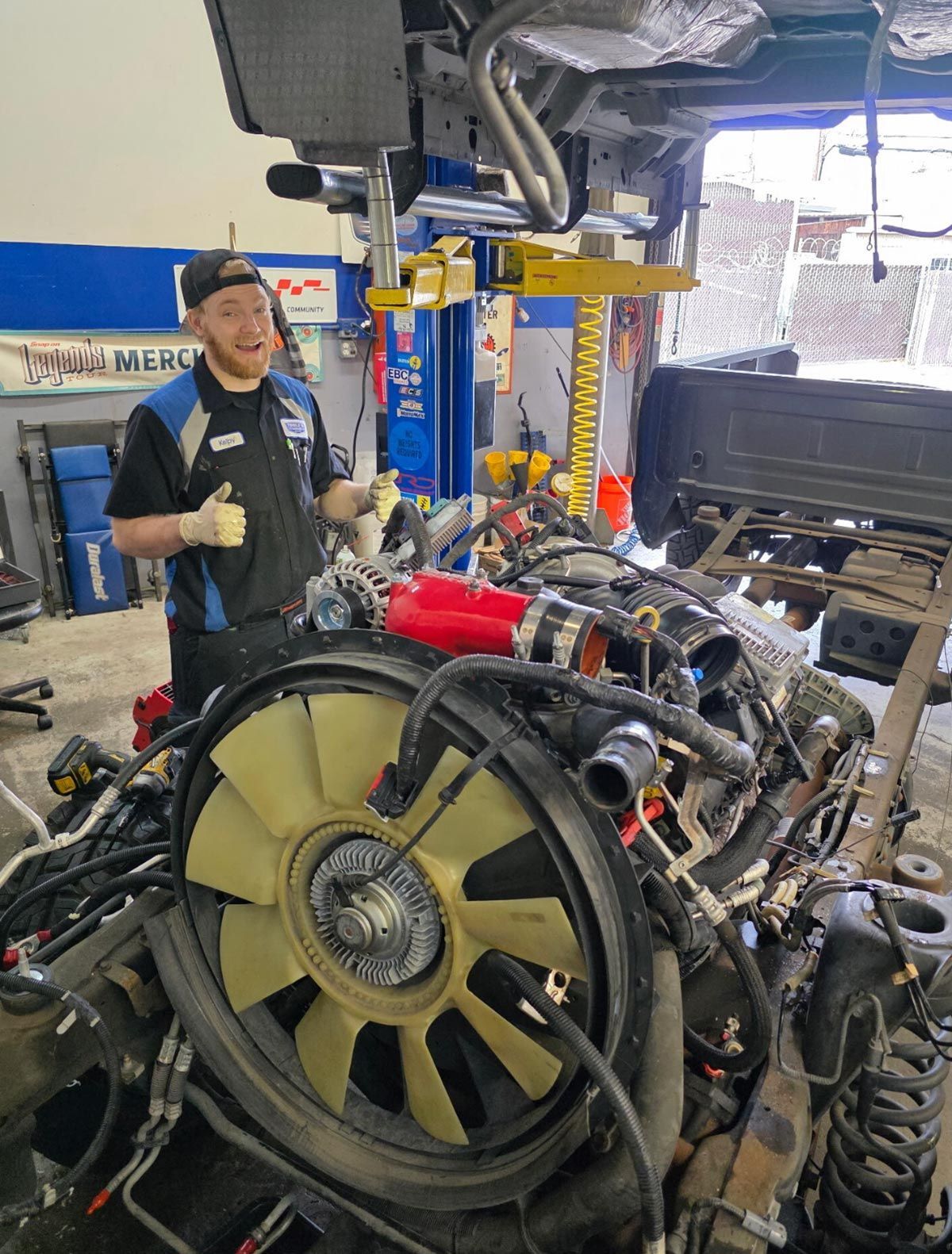
Some people discover their calling later in life—but others grow up surrounded by it. At Toole’s Garage in San Carlos, one of those naturals is our technician, Kelby , whose path into the automotive world feels almost destined. A Childhood Built on Curiosity and Craft Kelby spent his early years in Hawaii and later on the San Francisco Peninsula, where he was always tinkering, building, or digging holes in the yard. His grandpa restored old cars and even built boats, while his dad kept his beloved Vanagon “Westie” and an old Ford Country Sedan running with plenty of weekend wrenching. Whether he knew it or not, Kelby was absorbing all of it. But like many young gearheads, he also loved video games and drawing—interests that helped shape the creativity and precision he brings to every repair job today. From Cupcake Jockey to Automotive Pro After high school, Kelby enrolled in the automotive technician program at Skyline College , committing to a hands-on career that blended his love of problem-solving and working with mechanical systems. To pay the bills, he took a job at a local bakery as a self-proclaimed “cupcake jockey”—proof that even future master technicians start somewhere unexpected. His first official step into the automotive world was as a lube tech at a dealership. Day after day, he found himself under an endless sea of Toyotas, gaining experience, speed, and confidence. Then he heard about a respected local independent shop—Toole’s Garage—thanks to a longtime family friend who had been a customer for years. After doing his research, Kelby picked up the phone and called Dave Toole directly… and the rest is history. Growing Into the Big Jobs When Kelby joined our San Carlos auto repair team , he started with routine maintenance services. But it didn’t take long for everyone to see that he had an appetite for the complex stuff—the jobs with a hundred tiny pieces and tight tolerances. As most technicians know, building a career means investing in your tools. Kelby began assembling his collection, buying the specialty equipment needed to handle bigger, more advanced repairs. He shadowed our seasoned techs, tackled heavy jobs, and—like so many driven mechanics—enrolled himself in what he calls “YouTube University.” Of course, he also took real professional training courses, expanding the most valuable tool in any technician’s toolbox: knowledge . The Satisfying Symphony of Precision Ask Kelby what he loves most, and you’ll get a clear answer: “ The complex jobs. The ones where everything has to go back together just right. ” For him, the reward isn’t just the repair—it’s the moment the engine fires up and purrs perfectly, the proof that every step, every bolt, every adjustment was spot-on. That commitment to precision is exactly what makes him such a strong asset to Toole’s Garage and to our customers who rely on high-quality, trustworthy repair. When he’s not under the hood, you’ll find him riding the backroads on his motorcycle or gaming online with his dad—who, fittingly, is a video game designer. A True Part of the Toole’s Garage Family Kelby brings humor, enthusiasm, and genuine passion to our shop every single day. He’s the type of technician who would probably still show up even if he won the lottery (though we’d tell him to at least take a long vacation first). We’re proud to have technicians like Kelby on our team—people who not only keep cars safe and reliable, but also bring heart, personality, and professionalism to every customer who walks into our San Carlos shop .

Your car is more than a way to get from point A to point B—it’s an investment, a daily companion, and, for many Jackson drivers, a trusted partner for years of mountain drives, weekend getaways, and daily commutes. But how do you make sure your vehicle stays reliable well past the 100,000-mile mark? At Toole’s Garage in Jackson, we’ve seen firsthand that the secret to a long-lasting vehicle isn’t complicated—it’s consistent, mindful care. In this article, we’ll share a few simple yet powerful habits that can add years to your vehicle’s life and save you money in the long run. 1. Don’t Skip Oil Changes—They’re the Lifeblood of Your Engine Think of motor oil as your engine’s bloodstream. It keeps everything lubricated, reduces friction, and carries away heat and contaminants. When oil gets old or breaks down, it can no longer protect your engine the way it should. Stick to your schedule . Most modern vehicles can go longer between oil changes, but “longer” doesn’t mean “forever.” Check your owner’s manual and follow manufacturer recommendations—or ask our Jackson team to set you up with a maintenance reminder. Use quality oil and filters. Cheap oil or neglected filters can shorten your engine’s life. Watch your driving habits. Frequent short trips (more on this below) can cause oil to degrade faster because the engine never fully warms up. At Toole’s Garage, we use high-quality oils and OEM-grade filters to make sure every oil change helps your engine run smoother, longer. 2. Listen to What Your Car Is Telling You Strange sounds are your car’s way of asking for attention. Squeaks, knocks, grinding, or whining can all indicate developing problems—many of which are simple to fix if caught early. Squealing when braking could point to worn brake pads. Knocking or ticking might indicate engine wear or low oil pressure. Whining from the steering could mean a low fluid level or worn belt. Ignoring small noises can allow minor issues to snowball into costly repairs or even roadside breakdowns. When you hear something out of the ordinary, swing by our Jackson shop. A quick inspection could save you thousands down the road. 3. Avoid Too Many “Short Trips” It sounds harmless, but lots of quick drives—like short errands around Jackson—can actually cause long-term wear. That’s because your engine and exhaust system need time to reach full operating temperature. When they don’t: Moisture and fuel residue can build up inside the engine and exhaust. Oil doesn’t get warm enough to burn off condensation. Internal components wear faster. If possible, combine short errands into one longer drive or take your car for an occasional 20-minute cruise to let everything warm up and circulate properly. It’s one of the easiest ways to promote vehicle longevity. 4. Stay Ahead with Preventive Maintenance Beyond oil changes and listening for strange noises, routine maintenance like fluid checks, tire rotations, and inspections make a huge difference. Preventive service means we can spot small issues—like a leaking gasket or worn suspension component—before they turn into major problems. Our ASE-Certified technicians in Jackson use digital inspections to keep you informed every step of the way, complete with photos and clear explanations. That way, you always know what’s happening under the hood and why it matters. 5. Partner with a Shop That Cares About Your Car as Much as You Do At Toole’s Garage – Jackson, we don’t just fix cars—we help drivers enjoy them for the long haul. Our goal is to build lasting relationships with customers who want their vehicles to stay dependable and safe year after year. Whether you drive a European luxury car, hybrid, or daily commuter, we’ll help you create a personalized maintenance plan that supports long-term reliability. You don’t need a complicated formula to keep your car running strong. Regular oil changes, paying attention to how your car sounds and feels, and avoiding too many short trips go a long way toward preventing major repairs. If you’re ready to invest in your car’s future, schedule your next service at Toole’s Garage Together, we’ll make sure your vehicle stays reliable mile after mile—for many more California adventures ahead.
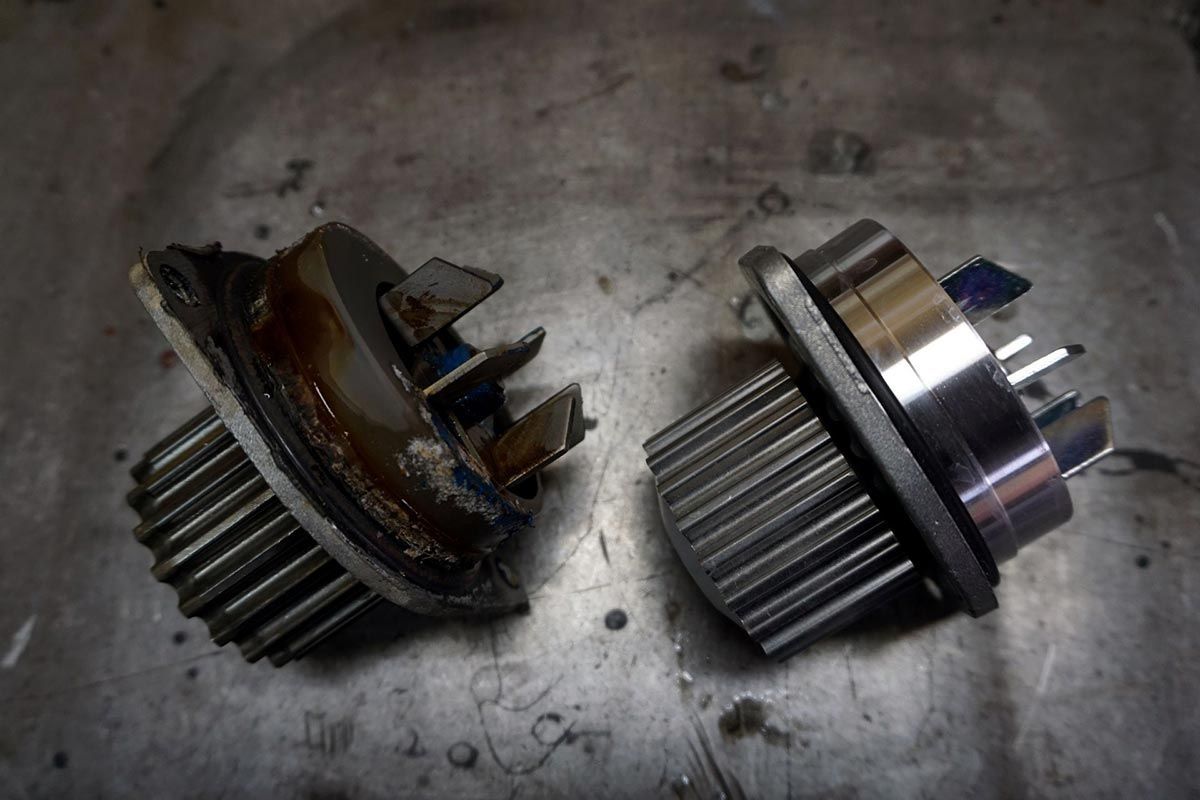
The water pump plays a critical role in preventing your engine from overheating. It circulates coolant through the engine and radiator, keeping temperatures stable under all driving conditions. When the water pump begins to fail, that system no longer works as it should, and the result can be overheating, engine damage, or complete failure. The good news is that water pumps usually give some warning signs before they fail. Catching those early can save you from being stranded or facing a hefty repair bill. Unusual Coolant Leaks Around the Front of the Engine One of the most common early signs of a failing water pump is a visible coolant leak near the front of the engine. The water pump uses seals and gaskets to contain coolant, and over time, those parts wear out. You might notice: A small puddle under the front of your vehicle after it's been parked Crusty white or green residue around the pump or lower radiator hose A sweet smell is coming from under the hood, especially after turning the engine off Even a slow leak can lower coolant levels over time, which reduces the system’s ability to control temperature. Grinding or Whining Noises From the Front of the Engine Inside the water pump is a small bearing that allows the impeller to spin smoothly. When this bearing starts to fail, it often creates a grinding or high-pitched whining noise while the engine is running . These sounds typically come from the front of the engine and may get louder as engine speed increases. Once that bearing wears out completely, the pump will stop working and may even damage the drive belt system that powers it. Engine Temperature Creeps Up More Often If your temperature gauge shows higher readings than normal, especially while idling or driving in traffic, your water pump could be losing efficiency. It may still be turning, but not moving coolant as effectively as it should. This reduced circulation can cause your engine to run hot, even if there’s plenty of coolant in the system. In more severe cases, the engine may overheat quickly and require you to pull over to prevent damage. Rust, Corrosion, or Deposit Build-Up Rust or corrosion on the outside of the water pump is another red flag. These often occur when there’s a small, slow leak that evaporates before it reaches the ground, leaving mineral deposits behind. Over time, that corrosion can weaken the housing, damage the internal bearings, or interfere with the impeller blades inside the pump. If a technician spots rust or buildup during a routine inspection, it’s usually a sign that the pump is on its way out. Coolant Warning Lights or Low Coolant Levels Some modern vehicles have sensors that detect when coolant is running low or when the system isn’t maintaining pressure. If your dashboard shows a coolant warning or you find yourself refilling coolant more often than usual, the water pump may be to blame. Low coolant combined with a rising temperature gauge is a strong signal that your cooling system needs immediate attention. Why Timely Water Pump Replacement Matters Driving with a failing water pump is risky. Once the pump fails completely, the engine can overheat quickly, potentially warping the cylinder head or damaging the head gasket. These repairs are far more expensive than replacing a water pump. In most vehicles, the water pump is driven by either a serpentine belt or the timing belt. When replacement is needed, it’s often a good time to replace both the pump and the belt together, since they wear at similar rates and are accessed in the same area of the engine. Schedule a Cooling System Inspection at Toole’s Garage in California If you’ve noticed coolant leaks, strange engine noises, or higher-than-normal temperatures, don’t wait for your water pump to fail. The team at Toole’s Garage in California can inspect your cooling system, check for worn components, and recommend the right fix before overheating causes bigger problems. Schedule your appointment today and keep your engine running safely and smoothly, no matter the weather. Toole's Garage - San Carlos, 1065 Washington Street, San Carlos, CA Toole's Garage - Valley Springs, 3577 W. Highway 12, Valley Springs, CA Toole's Garage - Stockton, 847 N. El Dorado St., Stockton, CA Toole's Garage - Jackson, 12700 Kennedy Flat Road Jackson, CA
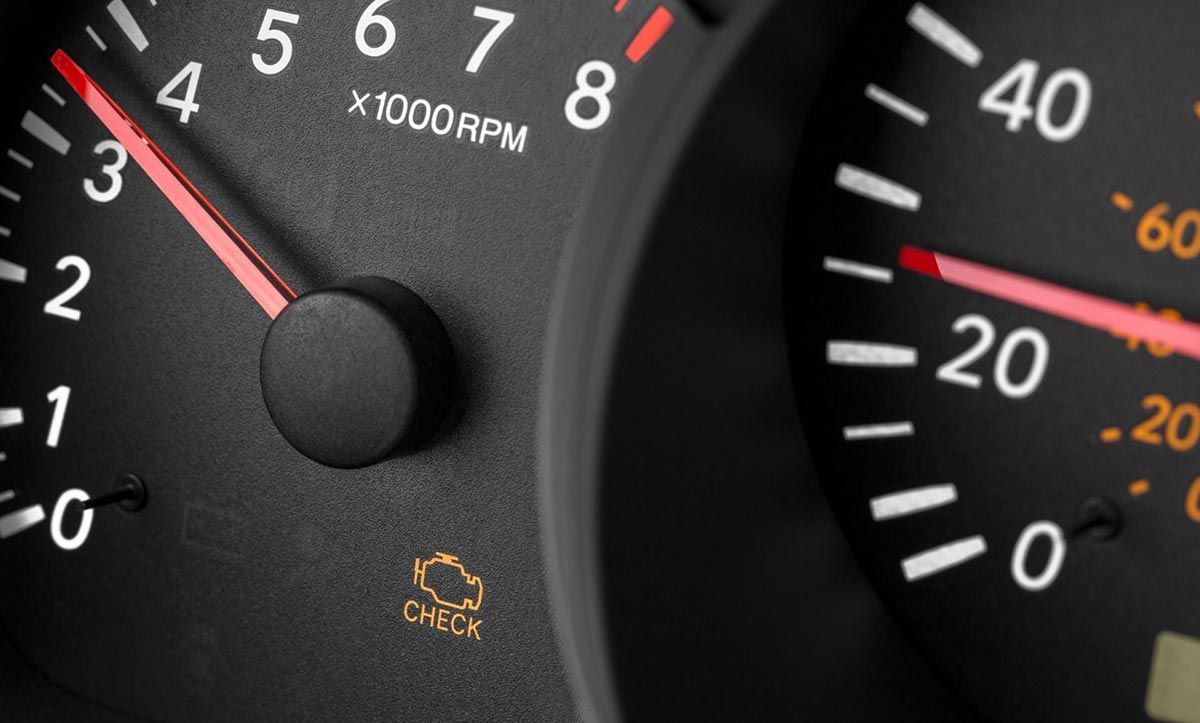
Seeing that little engine-shaped icon glow on your dashboard can be unsettling. We get it—your car seems fine, maybe even drives “just the same,” but the warning light won’t quit. Here in Stockton, where our vehicles face dust, variable traffic, and stop-and-go commutes, we’ve seen plenty of drivers shrug off the illuminated warning. In this article we’ll demystify the “Check Engine” light (CEL) , explain some of the most common causes, why ignoring it can cost you more than you expect, and why scheduling a diagnostic sooner is the smart move. What Is the “Check Engine” Light Anyway? The Check Engine Light (also called the Malfunction Indicator Lamp, or MIL) is your vehicle’s way of telling you: “Something’s not right.” It doesn’t always indicate an immediate breakdown, but it does mean that a sensor or system has detected an issue. Here’s what you should know: A steady (solid) light usually means a fault has been logged in the engine or emissions system. It might be something minor—or something that could worsen if left unaddressed. A flashing light is more serious—it often indicates a condition that could cause damage (for example, misfires which can damage your catalytic converter). The light itself is not a diagnosis. It simply indicates that the car’s computer has detected a fault. A proper scan and inspection are required to figure out what’s wrong. Common Causes of the Light in Stockton Area Driving Here are several of the frequent culprits we see in the shop—especially given the stop/start traffic on I-5, Highway 99, The Crosstown and local commutes in Stockton: 1. Loose or Faulty Gas Cap Surprisingly, one of the most frequent triggers: if the fuel cap isn’t tightened properly, vapors can escape and trigger the CEL. The fix is simple: loosen then re-tighten until you hear a click. While easy and inexpensive, ignoring it may cause the system to re-trigger repeatedly. 2. Oxygen Sensor or Other Emissions-Related Sensor Issues The oxygen (O₂) sensor monitors how much oxygen is in your exhaust and helps the engine management system optimize fuel/air mix and emissions. A failing O₂ sensor may degrade performance and fuel economy. Other sensors (mass-airflow, catalytic converter efficiency sensors) may also trigger the light when emissions drift out of spec. Because California (and thus the Stockton area) enforces emissions standards, ignoring these warnings may result in more expensive repairs or failing an emissions test. 3. Spark Plugs, Ignition Coils or Misfires Worn spark plugs or bad ignition components can cause engine misfires, which are often logged by the computer and trigger the CEL. Misfires can lead to rough running, loss of power, or even damage to exhaust components. 4. Catalytic Converter Problems If your catalytic converter becomes clogged or overheats (often due to misfire or engine running rich), you may see the CEL. These are expensive components, and the earlier you catch the upstream cause (misfire, sensor fault) the better. 5. Other Engine or Fuel System Issues Vacuum leaks, fuel system faults (bad injectors, poor pressure), and wiring/connector problems all may trigger the light. For example: a sustained lean or rich condition can run your engine inefficiently and trigger the fault code. Why You Shouldn’t Ignore It It might be tempting to think: “My car drives fine, so I’ll wait until it gets worse.” But here are some risks of delaying: Repair costs often increase: What might be a small sensor replacement today can turn into a larger engine or emissions system repair down the road (e.g., damaged catalytic converter) Fuel economy drops: Many of these faults affect fuel/air mixture or engine efficiency. You might be losing money at the pump. Emissions & inspection risk: In California, failing to fix emissions-related problems can cause you to fail inspection or face penalties. Potential for breakdown: A flashing CEL or misfire can lead to unexpected breakdowns, leaving you stranded on Stockton roads or worse. Resale and value: A persistent CEL may reduce your vehicle’s value or raise red flags for buyers. What to Do If Your Light Comes On Don’t panic, especially if it’s a steady light and the car seems to run normally—but don’t ignore it. Check simple things first: Is the gas cap properly secured? Are there any strange running symptoms? Schedule a diagnostic at Toole’s Garage Stockton. We’ll connect a scan-tool, retrieve the fault codes, interpret what they mean in your vehicle’s context, and help you understand what repair or inspection is needed. Act sooner rather than later. Even if the root cause turns out to be minor, catching it early helps prevent escalation. If the light is flashing or you have other symptoms (rough idle, power loss, pulling to one side, excessive exhaust heat/smoke), stop driving aggressively and come in right away. Ask questions: What is the fault code? What did it trigger (sensor, system, engine)? What happens if we wait? How much will it cost? Why Choose Toole’s Garage in Stockton? Here in Stockton, at Toole’s Garage, we handle all makes and models, including hybrids and European vehicles. Our experienced technicians have the tools and training to conduct proper diagnostics, interpret codes, and recommend the right solution — not just a “quick fix.” Whether your CEL is solid or flashing, we’ll give you a clear explanation of the issue, the timeline, and a fair estimate. Bottom Line That little light may seem minor—but it’s your vehicle’s dashboard telling you something is off. Whether it’s as simple as a loose gas cap or a more serious sensor or emission issue, addressing it early is the smart move. Don’t wait until you’re looking at a bigger bill—or a breakdown on a busy Stockton morning. If your check engine light just came on, give us a call at Toole’s Garage Stockton or book an appointment online. We’ll help you get back to driving confidently. Visit Toole’s Garage – Stockton, located at 847 N. El Dorado St., Stockton, CA 95202 , or call (209) 466-5364 to schedule your appointment.
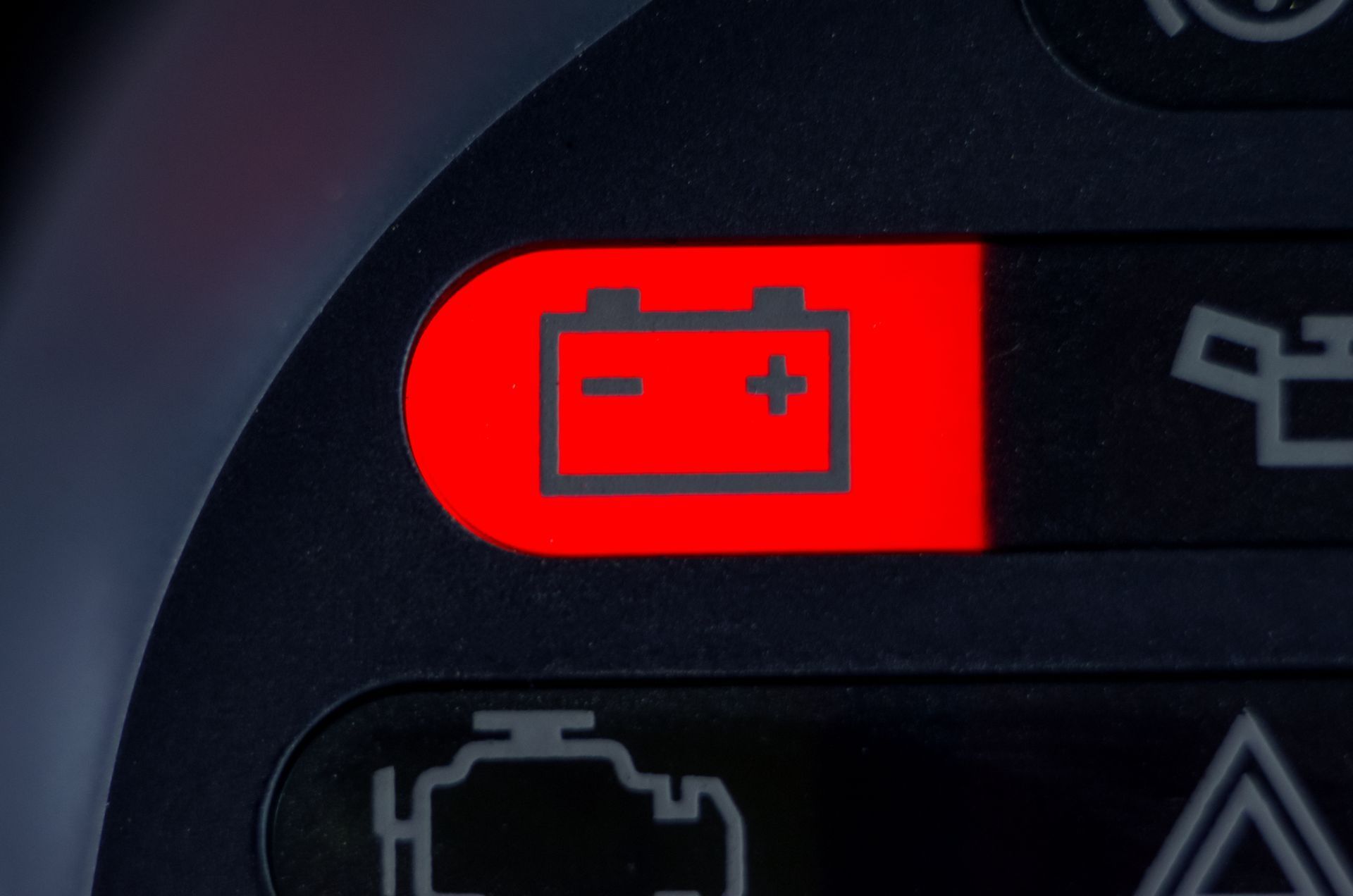
Toole’s Garage in California explains why a flickering battery light may indicate charging issues and provides guidance on how to address them.
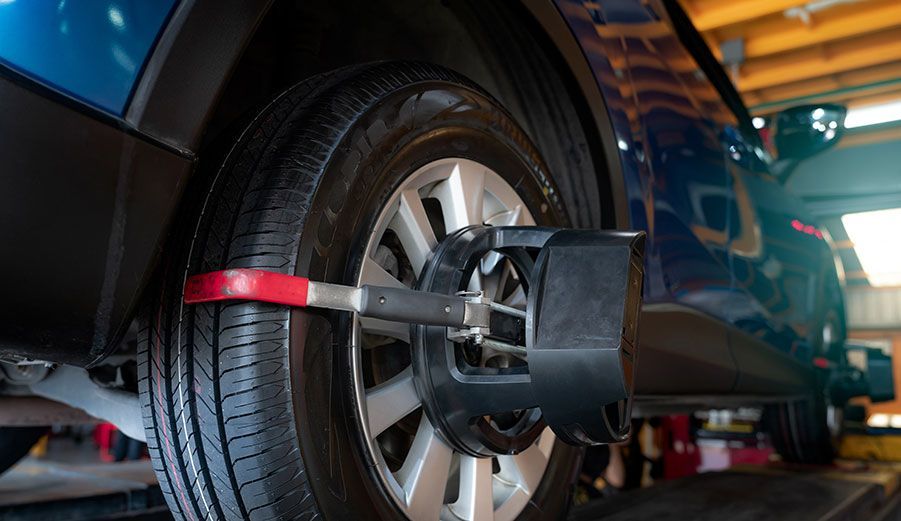
Driving with bad wheel alignment can ruin tires, hurt fuel economy, and strain suspension parts. Learn the warning signs and when to get aligned.