Ever wonder how engine size, power, and fuel economy are interconnected? It's fascinating engineering and physics that dictate your driving experience and impact your wallet. This relationship isn't always straightforward, but understanding it can help you make smarter decisions when choosing your next vehicle. So, let's dive into the details and unravel the mystery behind this automotive triangle.
Engine Size - Bigger Isn't Always Better
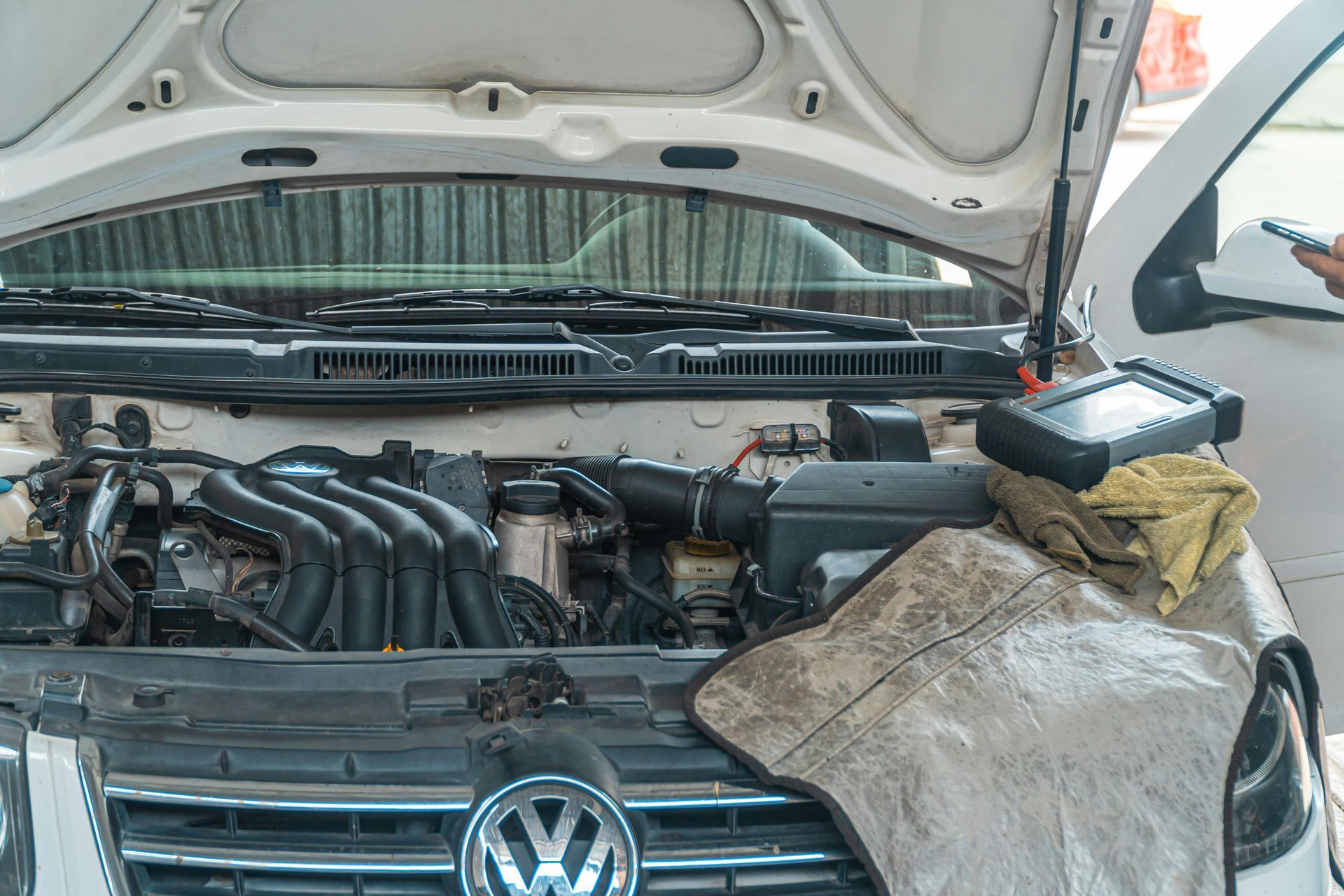
Engine size, often measured in liters, refers to the total volume of all the cylinders in the engine. A larger engine generally means more power, as it can burn more fuel to produce more energy. This is why sports cars and heavy-duty trucks often boast larger engines – they need the extra power to deliver high performance or haul heavy loads.
However, bigger engines are not always better, especially when it comes to fuel economy. A larger engine consumes more fuel simply because it has more space to fill. This means higher fuel consumption and, consequently, higher fuel costs. But it's not just about size; it's also about how efficiently that engine uses fuel.
The Horsepower Hype
When we talk about power, we're often referring to horsepower, which is a measure of an engine's ability to perform work over time. More horsepower means a car can accelerate faster and maintain higher speeds. For many car enthusiasts, horsepower is a significant selling point.
But here's the catch: higher horsepower typically requires more fuel. To generate more power, an engine must burn more fuel, which can reduce fuel economy. This is why high-performance vehicles with powerful engines tend to have lower miles per gallon (MPG) ratings. So, while having a powerful engine can be thrilling, balancing that excitement with the practicalities of fuel consumption is essential.
Fuel Economy
Fuel economy is all about how far you can drive on a given amount of fuel. It's usually measured in MPG – the higher the number, the more efficient the vehicle. Many factors affect fuel economy, including engine size and power.
Smaller engines are generally more fuel-efficient because they require less fuel to operate. Modern advancements have also made smaller engines more powerful, thanks to technologies like turbocharging and direct fuel injection. These innovations allow smaller engines to deliver adequate power without significantly compromising fuel economy. However, driving habits, vehicle weight, and aerodynamics also play crucial roles in determining overall fuel efficiency.
Balancing the Triangle
The automotive industry has made significant strides in balancing engine size, power, and fuel economy. Technologies like turbocharging, hybrid systems, and electric powertrains have revolutionized how engines perform.
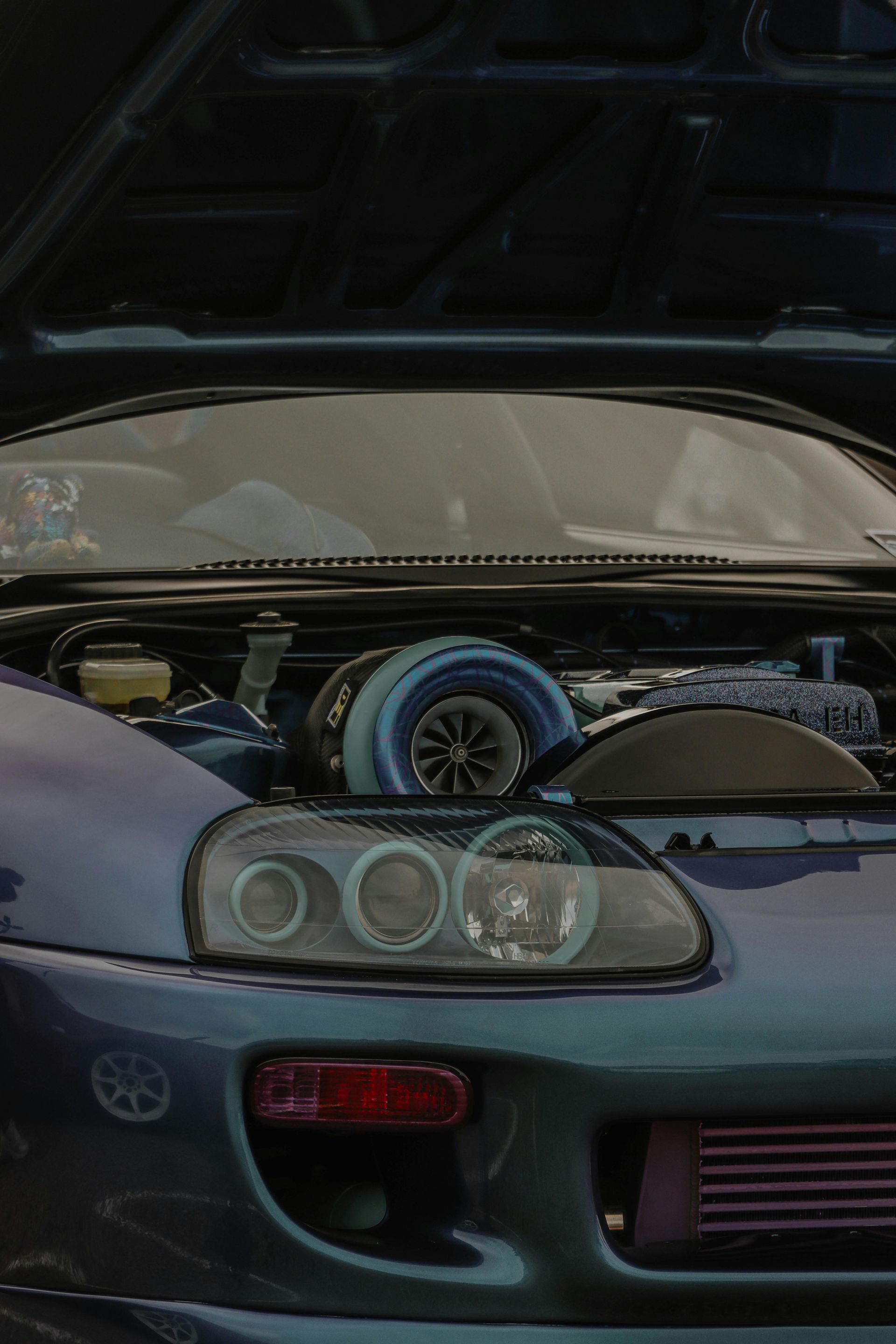
Turbocharging allows smaller engines to produce more power by forcing extra air into the combustion chamber. This means you can get the power of a larger engine with the fuel efficiency of a smaller one. However, turbocharged engines can be less efficient if driven aggressively, as they consume more fuel when higher power is demanded.
Hybrid systems combine a gasoline engine with an electric motor, offering improved fuel economy and adequate power. The electric motor assists the engine, especially during acceleration and low-speed driving, which are typically less efficient for gasoline engines.
Electric vehicles (EVs), which have no gasoline engine, provide the ultimate in fuel efficiency. They rely solely on electric power, which can significantly reduce fuel costs. With advancements in battery technology, EVs now offer impressive ranges and performance.
Choosing the Right Balance for You
When choosing a vehicle, it's essential to consider your driving needs. Do you need a powerful engine for towing or off-road adventures? Or are you more concerned with fuel economy for your daily commute? Understanding the connection between engine size, power, and fuel economy can help you make an informed decision.
If your driving involves a lot of city traffic, a smaller, fuel-efficient engine might be the best choice. On the other hand, if you frequently drive long distances or need a vehicle for heavy-duty tasks, a larger engine with more power might be necessary despite the higher fuel consumption.
Concerned about your car's performance and fuel economy? Bring it to Toole's Garage - Stockton for a comprehensive diagnostic test and professional maintenance.