When it comes to maintaining your car, keeping an eye on fluid levels might not always be at the top of your to-do list. However, your car relies on a range of fluids to keep everything running. From engine oil to brake fluid, neglecting these essentials can lead to costly problems or even complete breakdowns. So, how often should you be checking these critical fluids? Let’s break it down and ensure your car stays in tip-top shape.
Checking Your Car’s Fluids
Fluids lubricate, cool, clean, and power various systems within the car. When these fluids are low or contaminated, it can lead to a range of problems. Ignoring them for too long might result in more than just a slight inconvenience — it could cause severe damage to your engine, transmission, or brakes. Staying on top of your car’s fluid levels not only extends its life but also ensures optimal performance and safety.
How Often Should You Check the Fluids?
When it comes to checking your car’s fluids, there’s no one-size-fits-all answer. Different fluids need attention at varying intervals, and some may require more frequent checks depending on your driving habits or the age of your vehicle. Here's a guide to help you stay on track.
1. Engine Oil
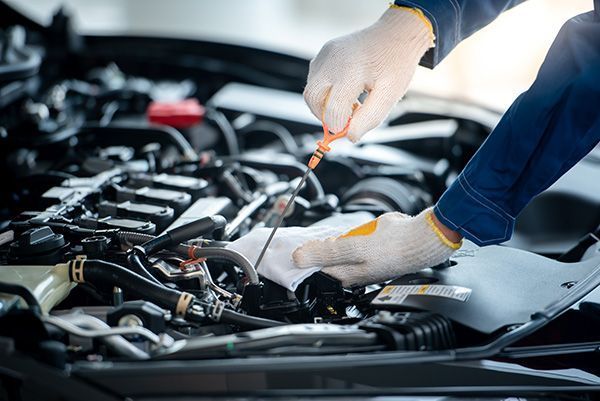
The most crucial fluid in your car is engine oil, which keeps all the moving parts lubricated. It’s generally recommended to check your engine oil every month or before a long road trip. As for oil changes, they should happen every 3,000 to 5,000 miles, depending on whether you use conventional or synthetic oil. Regular checks ensure that the oil level is where it should be and that it isn’t dirty or burnt, which can compromise your engine's performance.
2. Coolant (Antifreeze)
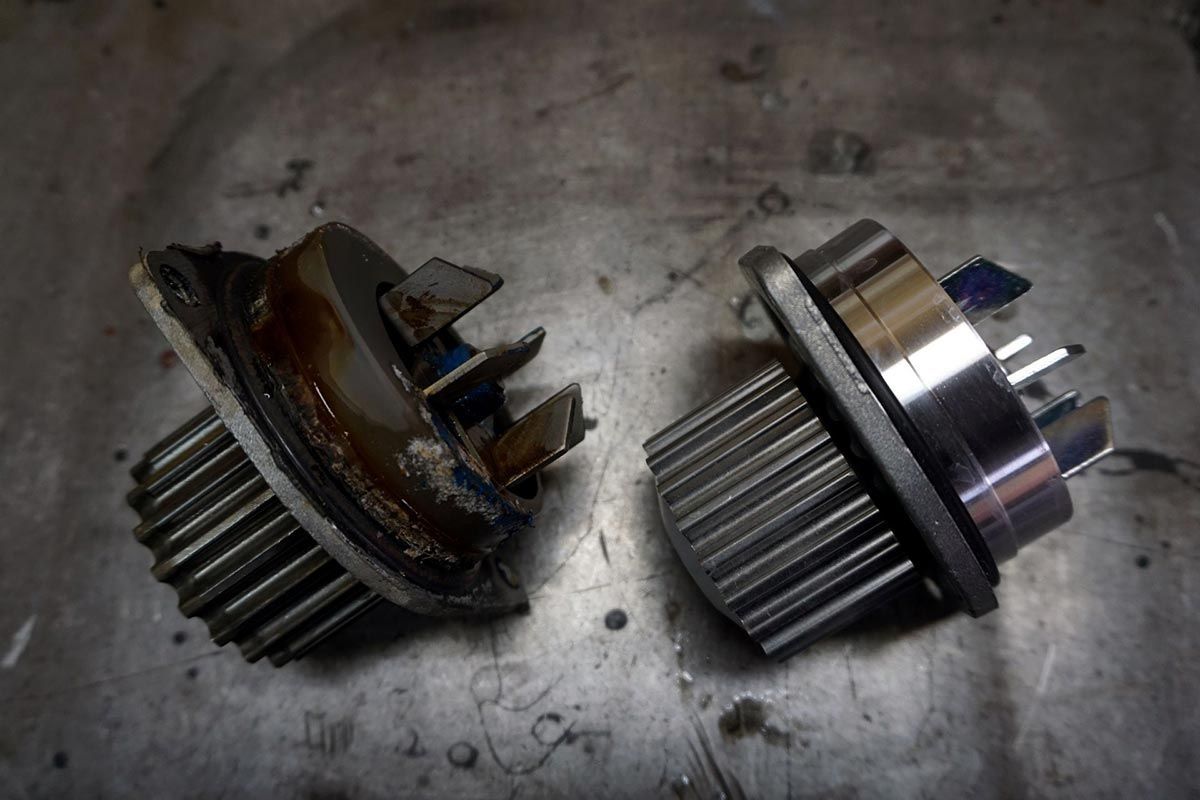
Your car’s coolant helps regulate the engine’s temperature and prevents it from overheating. This is especially important in extreme weather conditions, whether hot or cold. It’s a good idea to check your coolant levels at least twice a year — once before summer and once before winter. Keep an eye on the reservoir and top it off if needed. If your coolant looks discolored or has debris floating in it, it’s time for a flush and refill.
3. Transmission Fluid
Transmission fluid helps ensure smooth gear shifts by lubricating the gears in your transmission. Checking this fluid is essential but often overlooked. You should check the transmission fluid level and its condition around every 30,000 to 60,000 miles, or as specified in your car’s manual. Low or dirty transmission fluid can cause rough shifting or even transmission failure, leading to costly repairs.
4. Brake Fluid
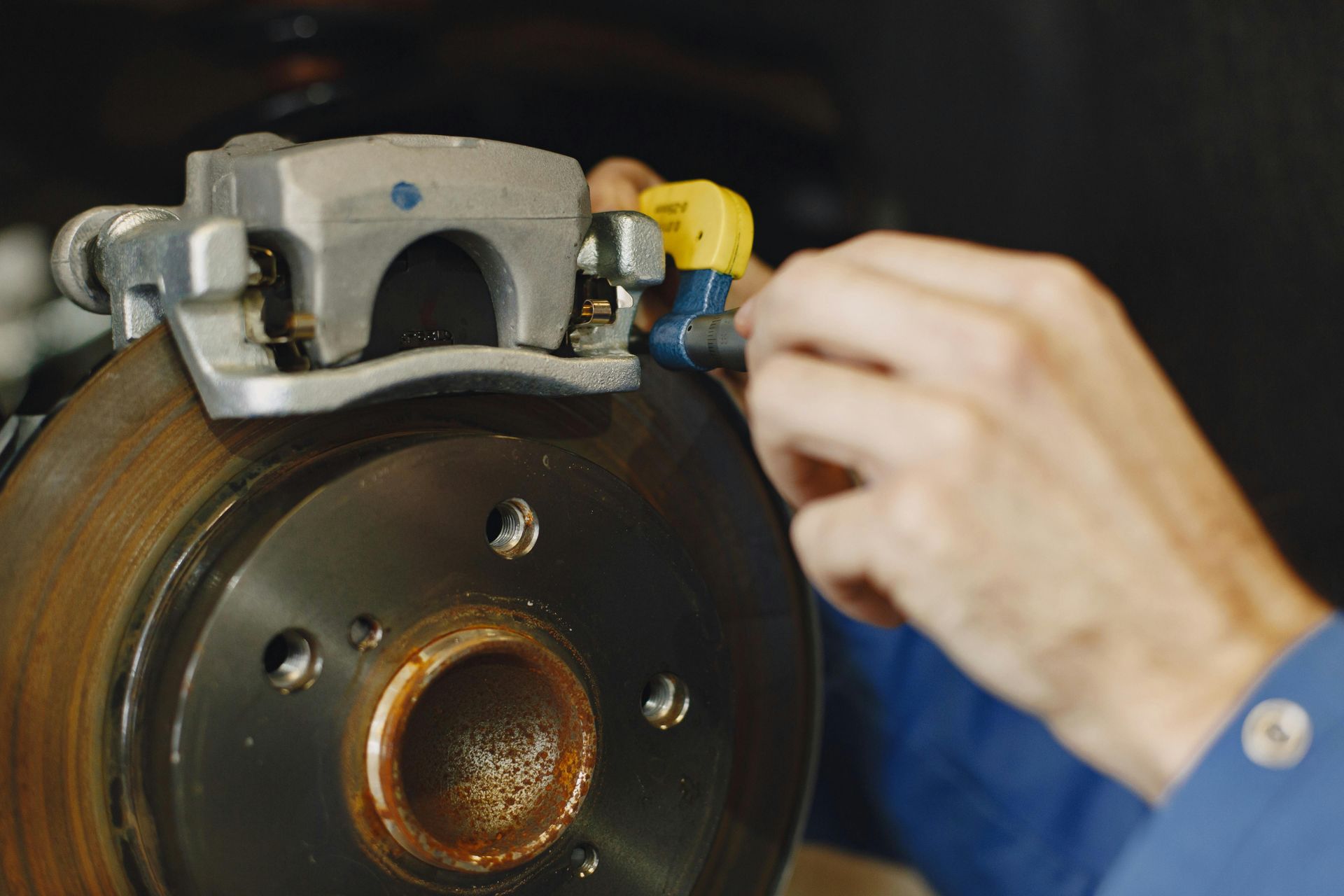
Brake fluid is vital for your vehicle's braking system. It transfers the force from your foot on the brake pedal to the brakes themselves. Over time, brake fluid can become contaminated or even evaporate, making your brakes less responsive. It’s wise to check brake fluid levels at least every six months and during your regular oil change. If the fluid is low or looks dark, you should replace it to ensure your brakes remain sharp and responsive.
5. Power Steering Fluid: Every Month
Power steering fluid is what makes steering your car feel effortless. Without enough of it, you’ll likely notice that turning the wheel requires more effort, or you might hear a whining noise. It’s a good habit to check this fluid monthly. If you find yourself topping it off frequently, it could signal a leak in the power steering system.
What Happens If You Neglect Fluid Maintenance?
Neglecting your car’s fluids can result in a variety of issues. If your engine oil runs low, it could cause the engine to seize up, leading to significant repairs or even r equiring a full engine replacement. Similarly, low brake fluid could lead to brake failure, which is obviously a safety hazard. Poor maintenance of transmission fluid could mean expensive transmission repairs or replacement.
In short, not paying attention to your car’s fluid levels can turn minor issues into major headaches. Regular fluid checks are a simple yet essential way to prevent breakdowns and keep your car running efficiently.
How to Check Car Fluids Yourself
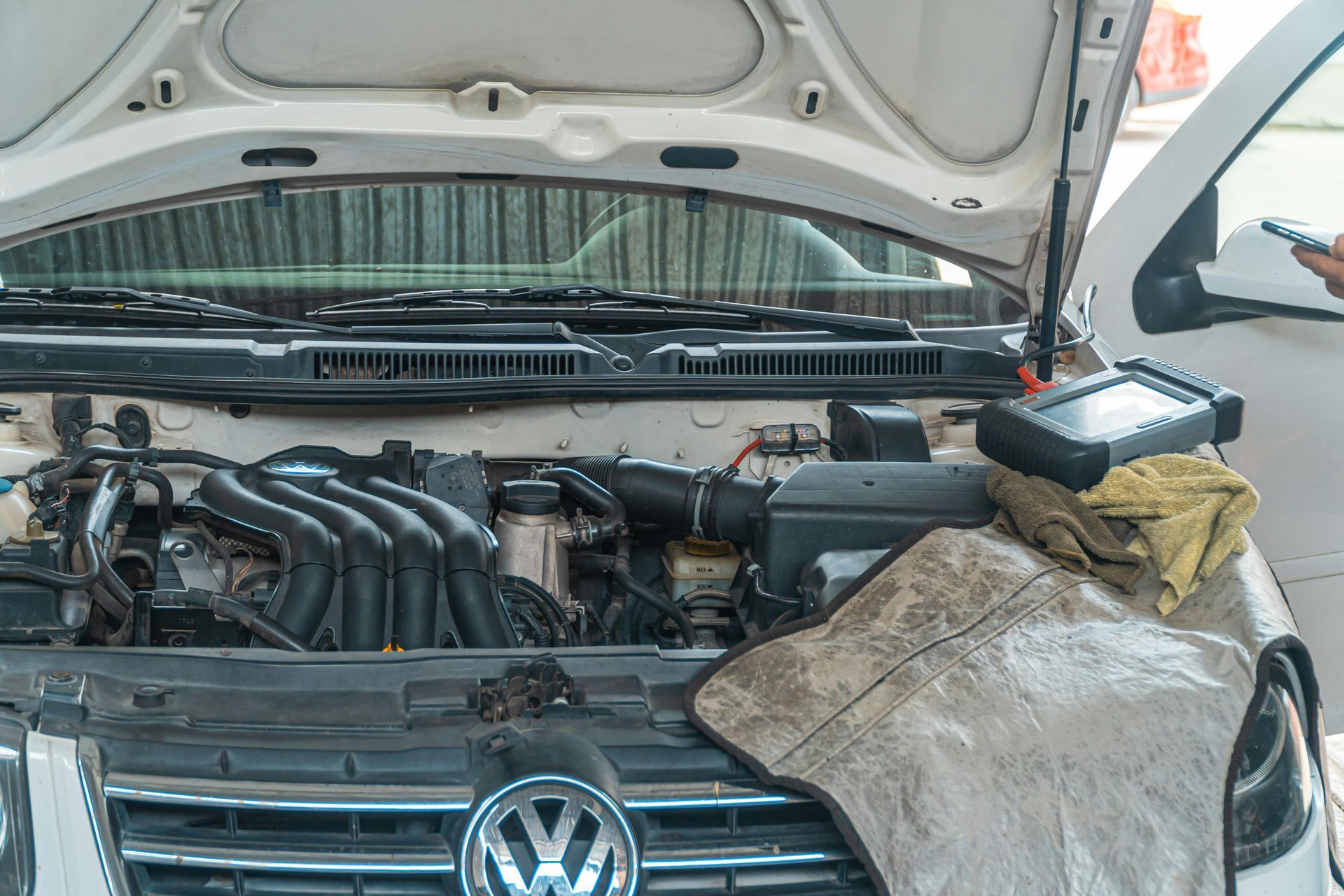
Checking your car’s fluids doesn’t require expert-level knowledge. In most cases, it's as simple as popping the hood and using a dipstick. For example, with engine oil, you pull out the dipstick, wipe it clean, reinsert it, and then pull it out again to see where the oil level falls. Each fluid has its own method for checking, and a quick look at your car’s manual will guide you through the process.
If you’re ever in doubt about how to check a specific fluid or if you notice anything unusual, it’s a good idea to consult a professional to make sure everything is in order.
Concerned about your car’s fluids? Bring your vehicle to Toole’s Garage - Stockton for a thorough check-up, and we’ll make sure everything’s running perfectly. Contact us now to book your visit!