Importance of Wheel Balancing: Ensuring Safe and Smooth Driving
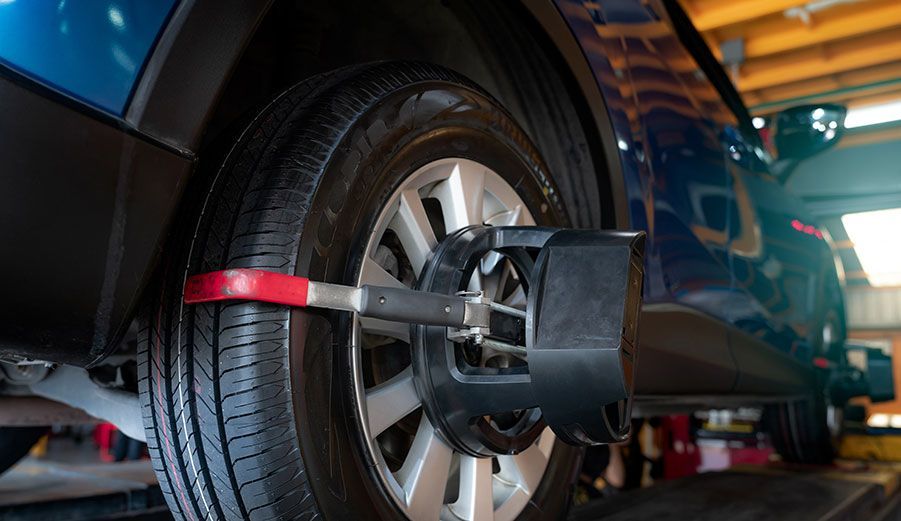
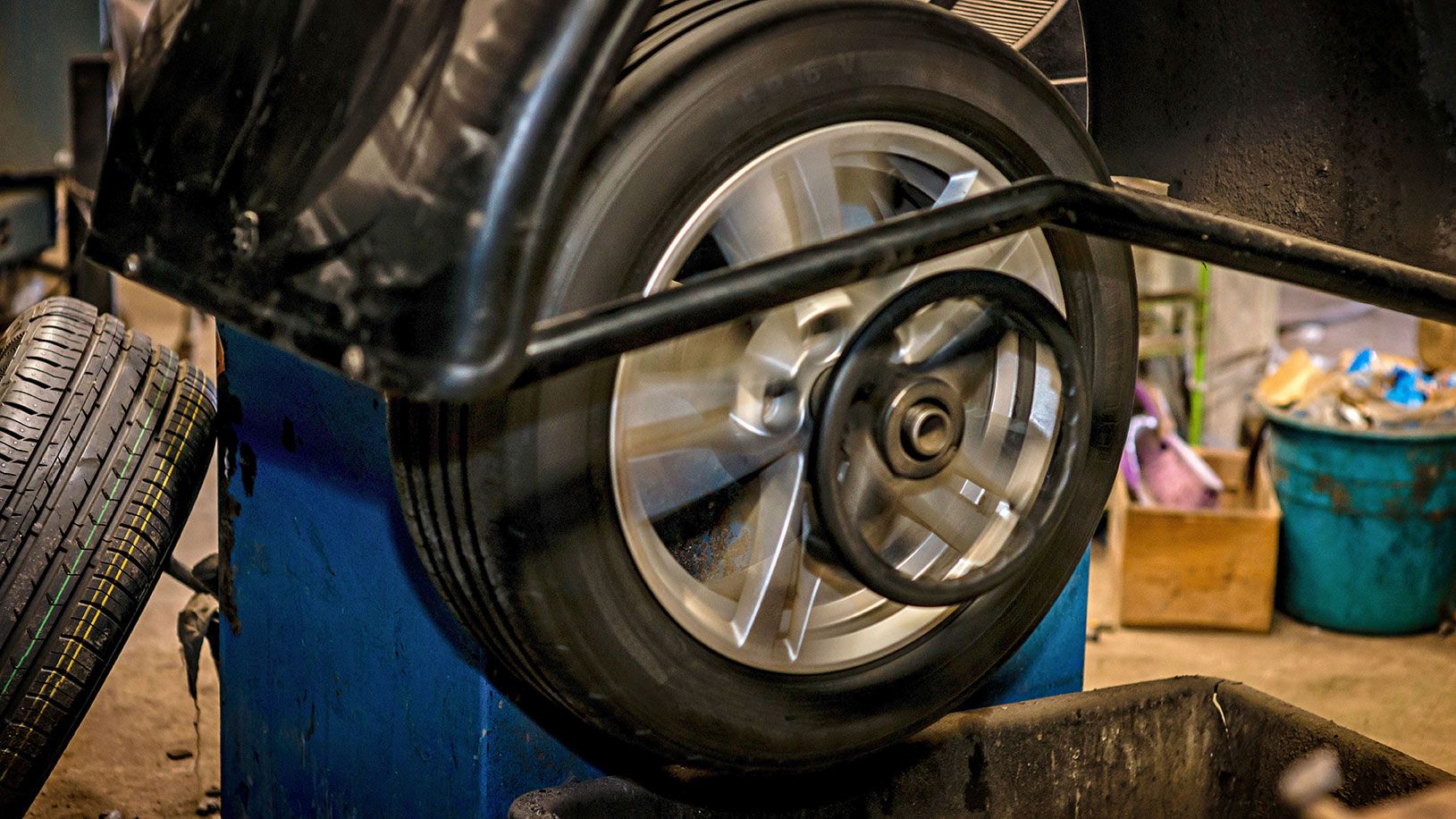
Keep your vehicle running smoothly with our expert wheel balancing services designed for optimal performance and safety. Our skilled technicians use advanced equipment to ensure your wheels are perfectly balanced, providing you with a smooth ride and improved handling. Trust us to keep your wheels in top condition with precise balancing tailored to your needs.
Wheel Service, Balancing & Performance Upgrades
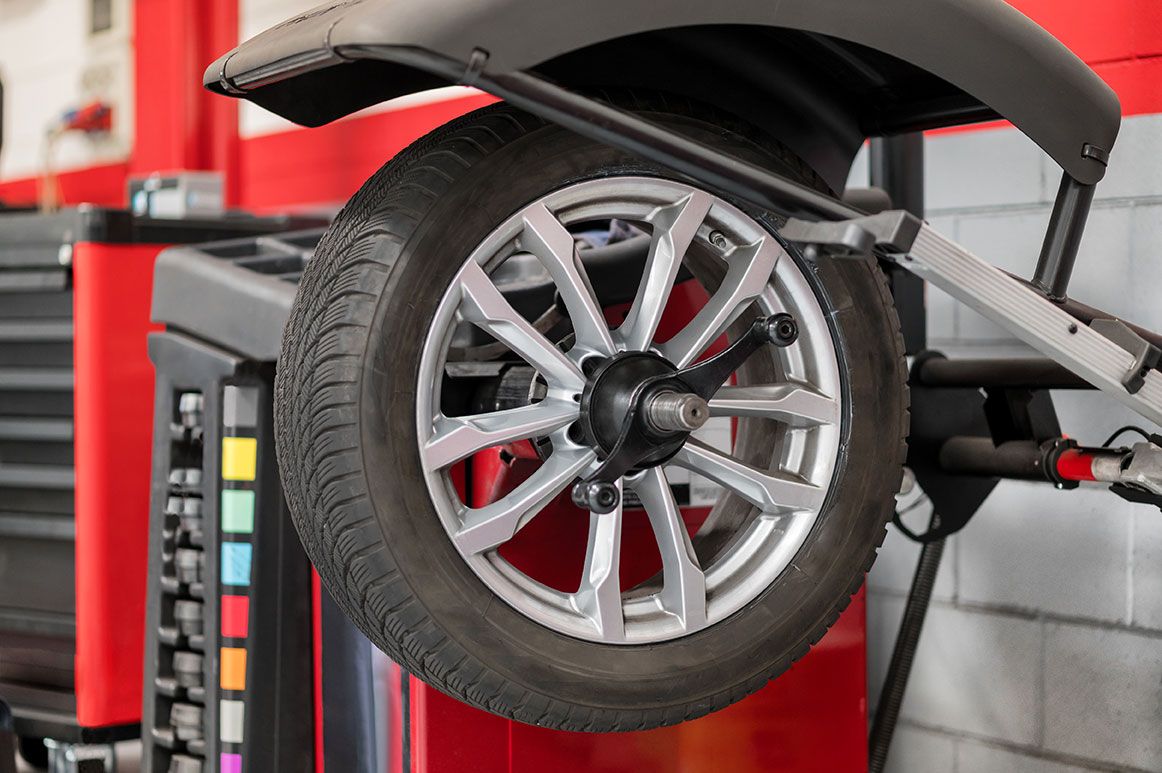
Advanced wheel services may include custom wheel fitting designed to match specific vehicle requirements or visual preferences. Custom wheel setups can accommodate different tire sizes, offsets, or performance goals. Performance wheel upgrades may also be available, offering lightweight or high-strength wheel options that can improve handling response and overall driving dynamics. These upgrades can enhance both the appearance and performance of the vehicle while supporting improved road stability.
Wheel Service and Upgrade Considerations
Wheel service availability may vary depending on wheel inventory, equipment, and technician availability. Confirming service options in advance helps ensure the proper wheels, tools, and installation resources are available.
Schedule wheel service online or contact a service advisor to discuss wheel balancing, tire rotation, custom wheel fitting, or wheel upgrade options for your vehicle.
Enhanced Ride Comfort
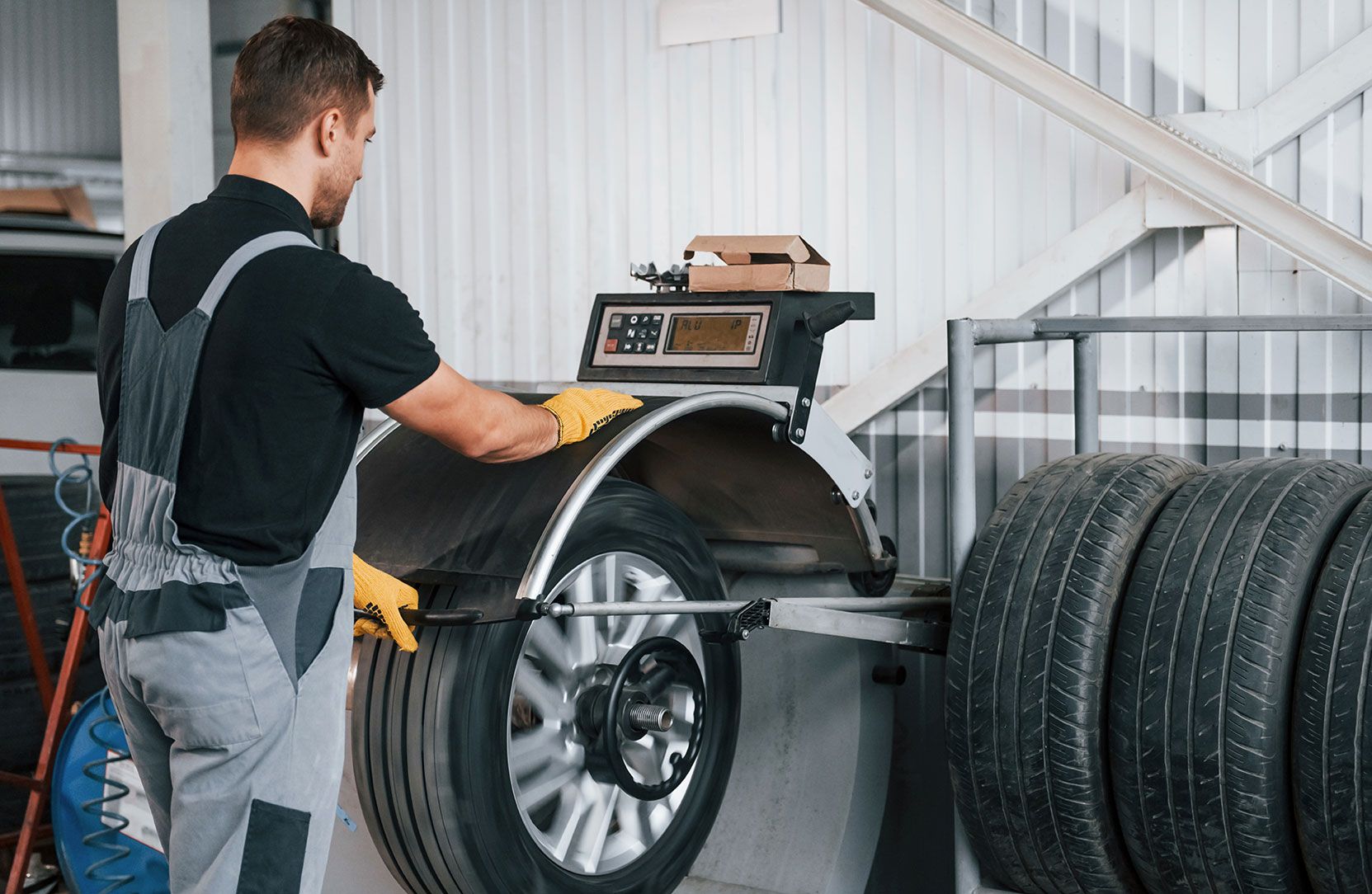
Properly balanced wheels reduce vibrations, ensuring a smoother and more comfortable driving experience.
Better Fuel Efficiency
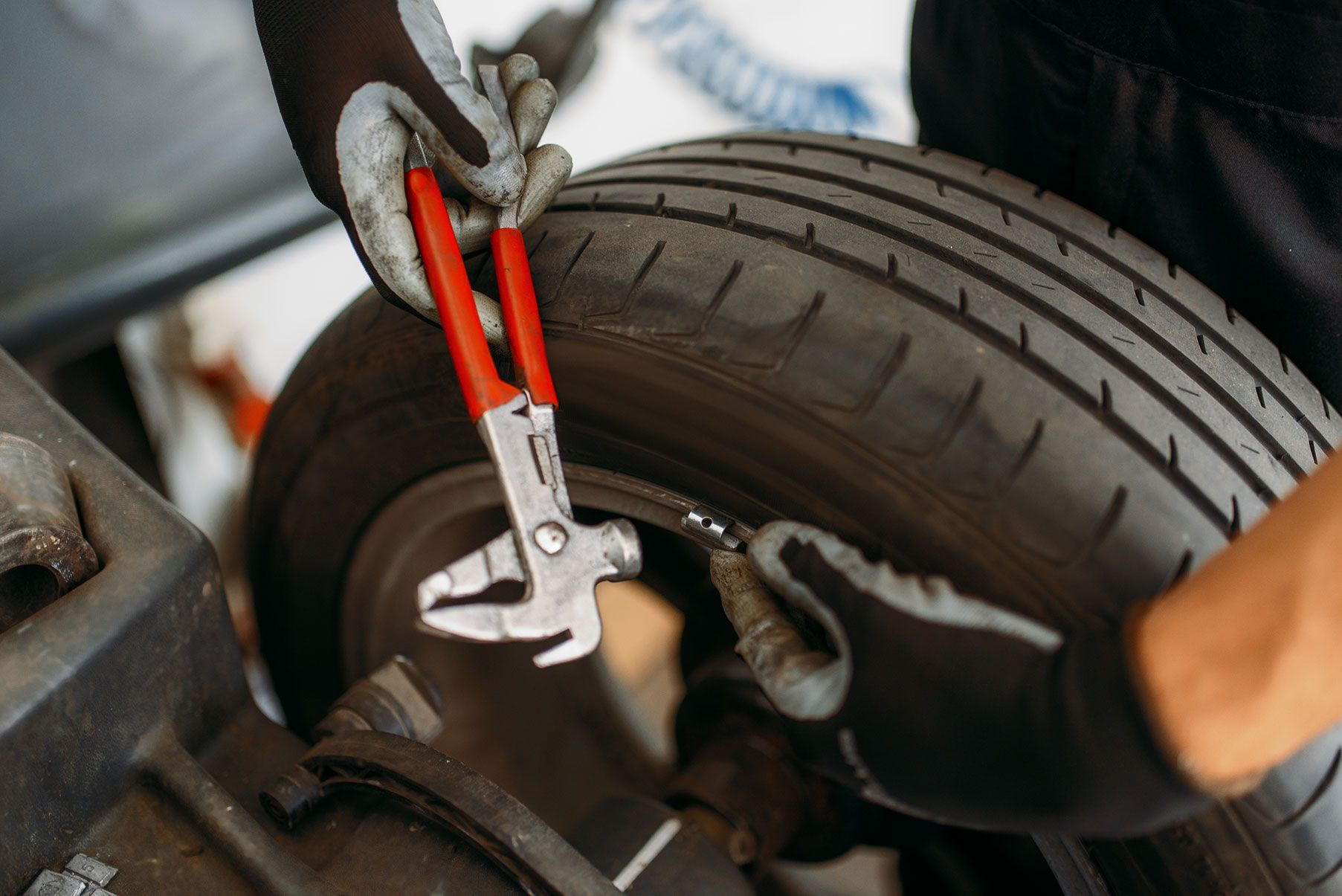
Balanced wheels reduce rolling resistance, helping your vehicle maintain optimal fuel efficiency and performance.
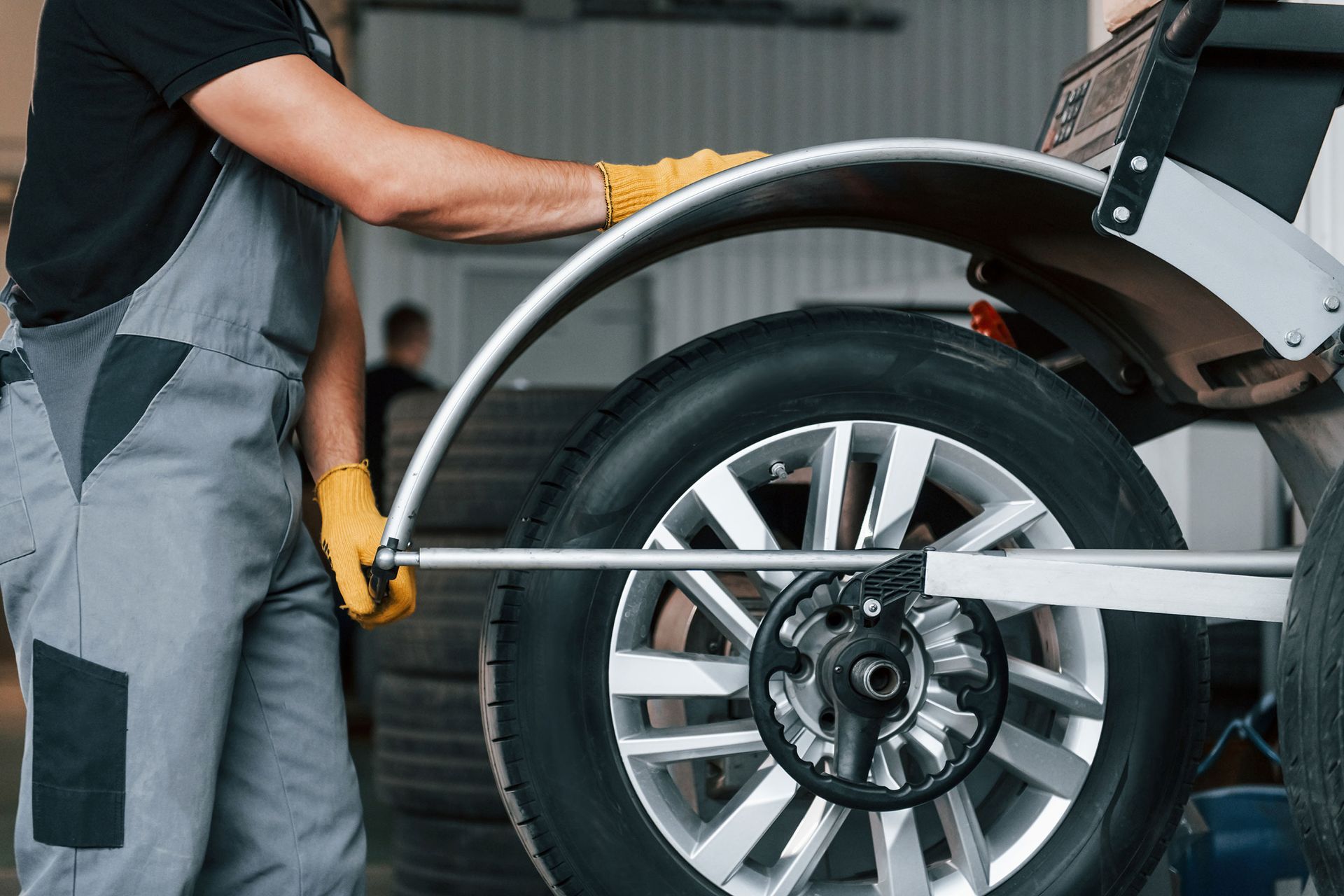
Improved Tire Longevity
Balancing your wheels prevents uneven tire wear, extending the lifespan of your tires and saving you money in the long run.
Choosing the Right Size Wheels: A Guide
Choosing the correct size wheels for your vehicle is crucial for performance and aesthetics. Here’s a simplified guide:
- Check Vehicle Specs: Refer to your manual or consult experts for manufacturer recommendations on wheel diameter, width, and offset.
- Consider Driving Needs: Assess your driving habits and terrain to decide on an appropriate wheel size that balances aesthetics and performance.
- Learn Sizing Terminology: Understand terms like diameter, width, bolt pattern, and offset to make informed decisions.
- Ensure Compatibility: Confirm that the wheels fit your vehicle in terms of bolt pattern, hub bore size, and brake clearance.
- Check Tire Compatibility: Ensure chosen wheels match tire requirements in terms of diameter, width, and load capacity.
- Account for Suspension Mods: Adjust wheel size to accommodate any aftermarket suspension modifications without causing clearance issues.
- Budget Wisely: Plan for the cost of wheels, tires, sensors, and installation within your budget.
- Research Brands: Look for reputable wheel brands with positive reviews and recommendations.
- Seek Expert Advice: Consult professionals for guidance if unsure about the best wheel size for your vehicle.
By following these steps, you can confidently choose wheels that enhance both performance and appearance while staying within budget and ensuring compatibility.
Find Wheel Services Near You!

AC Repair

Battery Replacement

Belt Replacement

Brake Repair

Car Electrical Repair
Car Inspections
Check Engine Light

Cooling System Repair

Diesel Engine Repair
Differential Repair
Drivetrain Service

Electric Vehicle Repair
Engine Repair

Exhaust Repair

Hose Replacement
Four Wheel Drive Service

Hybrid Car Maintenance

Oil Change Service
Preventive Maintenance
Suspension Repair

Tire Installation
Tire Repair
Tire Rotation
TPMS Service
Transmission Fluid Change

Transmission Repair Services

Wheel Alignment

Wheel Balancing
Fuel System Repair

Spark Plug Replacement

Air Filter Replacement
Smog Service
Top Car Brands We Service